7 Ways Forex Trading Is Changing and What It Means for Beginners
September 5, 2025 · Lazarus Marwisa
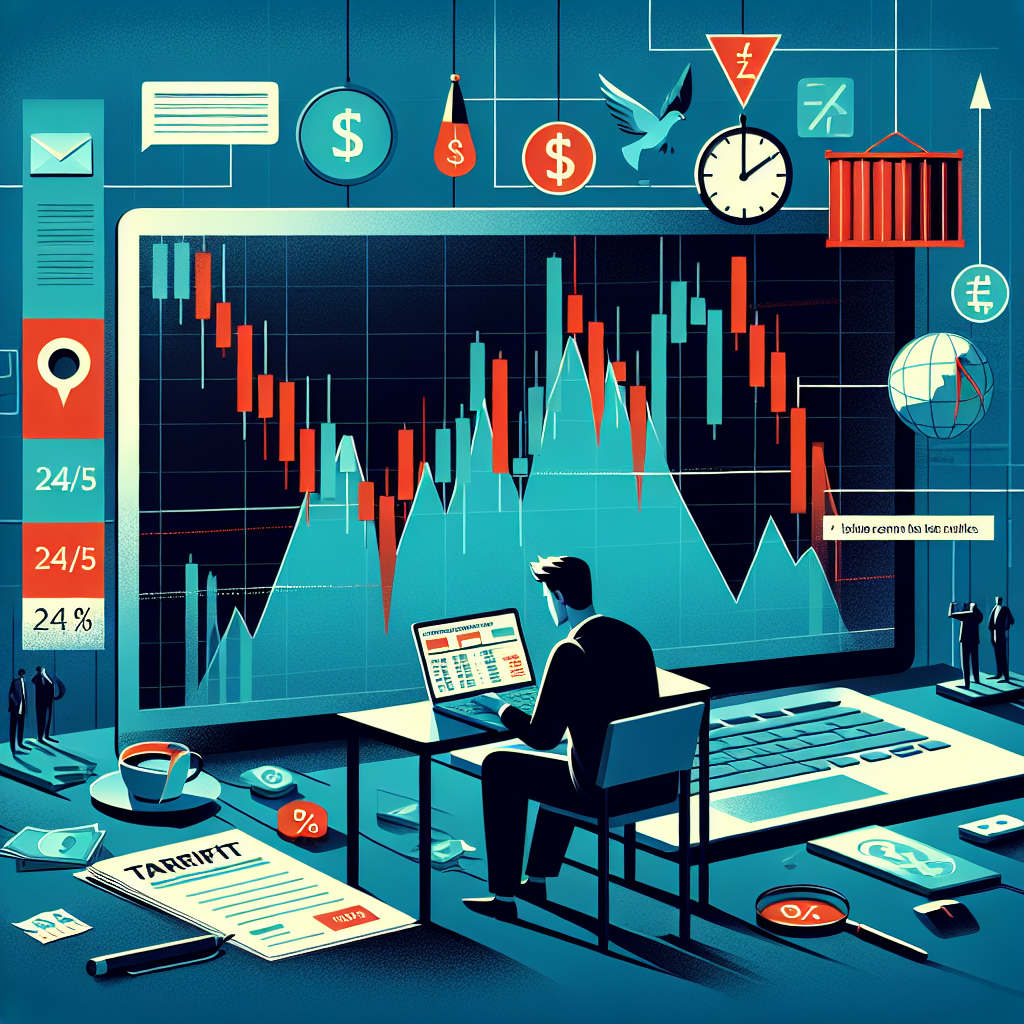
Forex trading looks different than it did just a few years ago, and it keeps moving fast. AI powered tools, automated trading bots, and platforms built for people starting with a few dollars have all lowered the barrier to entry while raising what beginners have access to from day one. Here are seven real shifts already shaping how new traders learn and trade, and what each one actually means if you are just getting started.
If you already want to try a platform built around some of these shifts (automated trading, a low minimum deposit, and beginner friendly tools) you can open a Deriv account here. Otherwise, keep reading to see what is actually changing and why it matters.
1. AI Powered Pattern Recognition Tools Are Becoming Standard
Reading chart patterns used to be a manual, experience heavy skill. AI and machine learning tools now scan far more data than a person could, flagging trends and signals that would otherwise take years of practice to spot. This is not a future prediction, it is already available: Deriv’s DBot lets traders build and run automated, rule based strategies without writing code, which is a practical example of the same idea beginners can try today rather than wait for.
Further reading: Trading Reinvented: A Practical Blueprint for the Best Stock Strategy in Volatile Markets.
2. Forex and Stock Market Strategies Are Blending Together
Forex and equities have traditionally been treated as separate worlds. That is changing as traders borrow diversification and risk management habits from stock investing and apply them to currency pairs. Some forex pairs and stock indices move in ways that correlate closely enough to be useful for hedging or timing entries, and beginners who understand both markets, even loosely, tend to make steadier decisions than those who only ever look at one.
3. Learning to Trade Is Becoming More Hands On
Jargon and fast moving charts are still the biggest reason forex feels intimidating to beginners. The shift here is toward learning by doing in a risk free setting rather than reading theory first. A demo account is the simplest version of this already available: Deriv offers one preloaded with virtual funds, so you can practice entries, exits, and position sizing before a single real dollar is on the line.
4. Regulation Is Tightening Across the Industry
Forex has a long history of fraud and unregulated brokers taking advantage of beginners. Regulatory oversight is increasing worldwide, which is generally good news for new traders: more standardized conditions, more transparency, and more pressure on brokers to treat retail clients fairly. It also means part of choosing a broker today is checking what oversight they actually have, not just what bonus they are offering.
5. Blockchain and Decentralized Tools Are Starting to Show Up
Blockchain based settlement and decentralized finance tools are still early in forex specifically, but the direction is worth watching: peer to peer currency exchange without a middleman, faster settlement, and automated enforcement of margin requirements. For beginners this could eventually mean lower fees and faster execution, though it is a trend to track rather than something to plan a trading strategy around today.
6. Social and Copy Trading Is Growing
Following or copying more experienced traders is not new, but the tools around it are maturing, with better track records, ratings, and filters to help beginners find traders worth learning from. It is worth being clear eyed here: copying someone else’s trades does not guarantee their results, past performance is not a promise of future performance, and social trading works best as a learning tool rather than a shortcut.
7. Platforms Are Getting More Personalized
Data driven platforms increasingly tailor themselves to a trader’s risk tolerance, preferred pairs, and habits, surfacing relevant tips or flagging when a trade looks out of line with someone’s usual pattern. For a beginner, this kind of built in guardrail can help catch mistakes before they become expensive ones.
What This Means If You Are Starting Now
None of these shifts require you to be an expert before you start. The most practical first step is still the simplest one: practice on a demo account, understand what moves the pairs you care about (the Economic Calendar is built for exactly this), and only fund a live account once you are comfortable with how the platform actually works. Want a fuller walkthrough of a broker built around several of these ideas already? Read our full Deriv review.
Frequently Asked Questions
Do I need to understand AI or trading bots to start trading forex?
No. Tools like automated bots are optional, not required. Most beginners are better served starting with the basics of pip value, position sizing, and risk management before layering in automation.
Is copy trading or social trading safe for beginners?
It can be a useful way to learn, but it is not risk free. Copying another trader’s positions does not guarantee their results, and you are still responsible for understanding what you are trading and why.
Are these changes already available, or mostly predictions?
A mix of both. Demo accounts and automated tools like DBot are available right now. Blockchain settlement and fully personalized platforms are earlier stage and worth watching rather than expecting today.
Where can I practice these ideas without risking real money?
A demo account is the simplest starting point. It uses virtual funds on live market conditions, so you can test how you react to real price movement before committing actual capital.
This post contains an affiliate link. If you sign up through the links above, we may earn a commission at no extra cost to you.
Deriv offers complex derivatives, such as options and contracts for difference (“CFDs”). These products may not be suitable for all clients, and trading them puts you at risk. Please ensure you understand the following risks before trading Deriv products: (a) you may lose some or all of the money you invest in the trade; (b) if your trade involves currency conversion, exchange rates will affect your profit and loss. You should never trade with borrowed money or with money that you cannot afford to lose. Trading involves risk and is not suitable for everyone; this is not investment advice.