
7 Forex Trading Risks Every Beginner Should Know (and How to Protect Your Money)
By Laxie · Updated · How we review · Affiliate disclosure
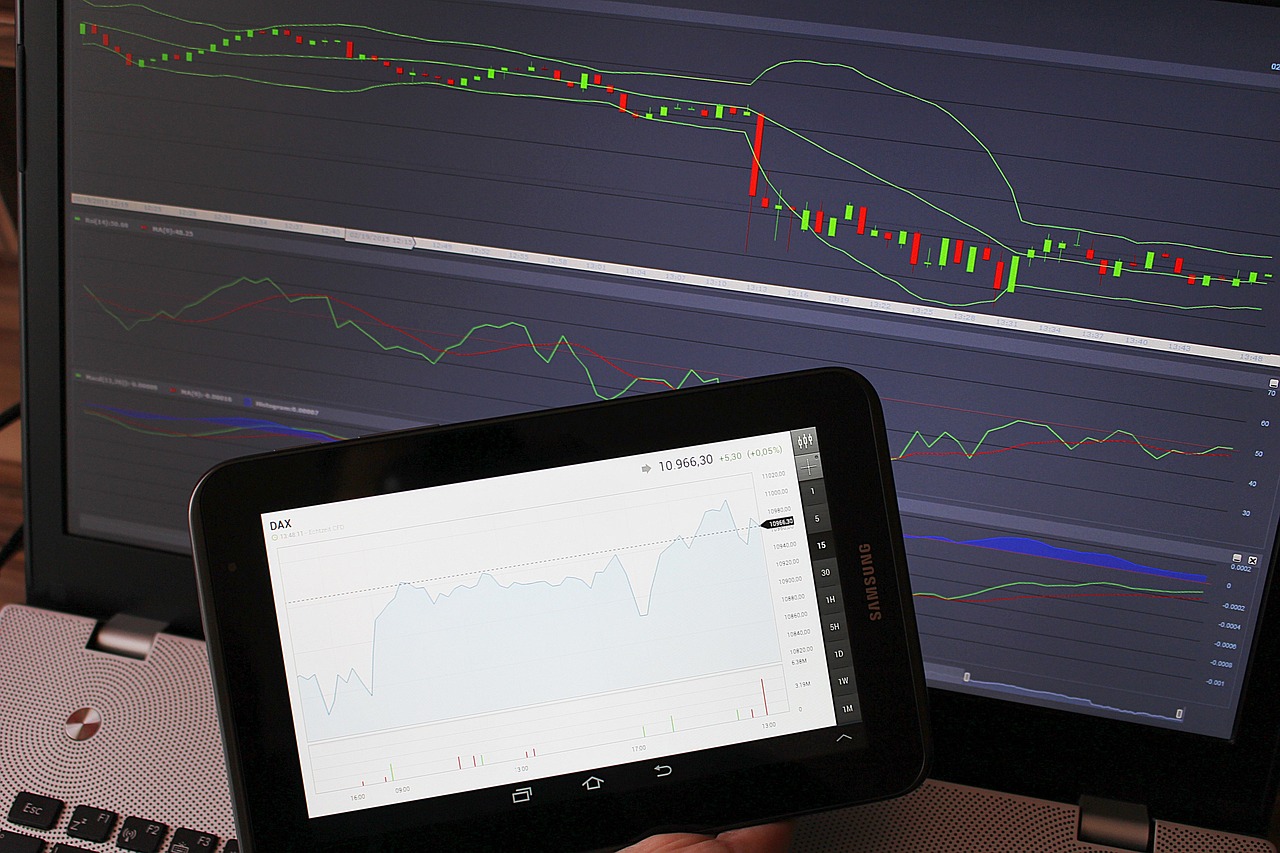
Forex can be a real skill to learn, but most beginners lose money in their first months, usually for the same handful of reasons. Here are the seven biggest risks new traders face, and the simple habits that protect your money from each one.
The short version
- Volatility and leverage can wipe out a small account in minutes.
- Unregulated or shady brokers put your deposit itself at risk.
- Emotions cause most beginner losses: revenge trades, fear, and greed.
- Hidden costs (spreads, swaps, commissions) quietly eat into results.
- Protect yourself: demo first, low leverage, stop losses, and risk 1 to 2% per trade.
👉 Want to practice these habits without risking anything? Open a free Deriv demo account with virtual funds.
The 7 Biggest Forex Risks for Beginners
1. Volatility
Prices can move sharply in seconds, especially around news. Check the economic calendar so big releases do not catch you by surprise.
2. Leverage
Leverage lets a small deposit control a large position, which multiplies losses just as fast as gains. High leverage is the main reason small accounts disappear.
3. Weak Regulation and Scams
Some brokers are poorly regulated or outright fake. Know who oversees your broker, start small, and test a withdrawal early.
4. Emotional Trading
Fear makes you close winners too early; greed and revenge make you hold losers and overtrade.
5. Hidden Costs
Spreads, overnight swap fees, and commissions add up, especially if you trade often.
6. Information Overload
Too many indicators, signals, and opinions lead to confusion and random decisions.
7. Correlated Positions
Several trades on pairs that move together (for example EUR/USD and GBP/USD) can multiply one mistake into several losses.
How to Protect Your Money
- Start on demo until your results are consistent.
- Use low leverage and risk only 1 to 2% per trade, sized with the position size calculator.
- Always set a stop loss before you enter.
- Have a written plan for entries, exits, and daily loss limits.
- Trade liquid sessions and major pairs while learning.
- Keep learning and review your trades weekly.
Tip: Set a daily loss limit, for example 3% of your account. When you hit it, stop trading for the day. It is the simplest cure for revenge trading.
Common Problems and How to Fix Them
I keep blowing small accounts
Your position sizes are too big for your balance. Cut leverage and size every trade to 1 to 2% risk.
I break my own rules
Write your rules down, keep a trading journal, and step away after a big loss. Our guide to common beginner mistakes covers more.
Get one practical trading tip a week
Free beginner tips, broker deposit and withdrawal updates for Africa and the UAE, and new guides. No spam, unsubscribe any time.
Frequently Asked Questions
Is forex trading risky?
Yes. Most beginners lose money at first. Good risk management and practice reduce that risk but never remove it.
How much should I risk per trade?
Most beginners are best served risking 1 to 2% of their account per trade.
Is high leverage bad?
Not by itself, but it multiplies losses. Beginners should use it very carefully and size trades small.
How do I avoid forex scams?
Check who regulates the broker, start small, and test a withdrawal before depositing more.
Should I start with a demo account?
Yes. It lets you learn the platform and test your strategy without risking money.
This post contains an affiliate link. If you sign up through the links above, we may earn a commission at no extra cost to you. Trading involves risk and is not suitable for everyone; this is not investment advice.
Deriv offers complex derivatives, such as options and contracts for difference (“CFDs”). These products may not be suitable for all clients, and trading them puts you at risk. Please ensure you understand the following risks before trading Deriv products: (a) you may lose some or all of the money you invest in the trade; (b) if your trade involves currency conversion, exchange rates will affect your profit and loss. You should never trade with borrowed money or with money that you cannot afford to lose. Trading involves risk and is not suitable for everyone; this is not investment advice.